Car Broke Down on the Highway? Here’s Exactly What to Do (Step-by-Step)
Published on: June 05, 2026
Few things are more stressful than feeling your car sputter, jerk, or suddenly lose power while you’re traveling at highway speed. Whether you’re cruising down I-95 through Virginia, navigating the Beltway in Maryland, or cutting through DC traffic, a breakdown can happen without a single warning sign — and knowing exactly what to do in those first critical minutes can be the difference between a minor inconvenience and a life-threatening situation.
This guide walks you through every step, from the moment you sense something is wrong to the moment a professional wrecker is safely hauling your vehicle to a shop.
Step 1 — Stay Calm and Don’t Panic-Brake
The moment you feel a loss of power, a blowout, or engine failure, your instinct may be to hit the brakes hard. Resist that urge.
What to Do in the First Few Seconds
- Grip the steering wheel firmly with both hands and keep the vehicle straight.
- Gradually ease off the gas pedal — do not stomp the brakes unless there is an immediate collision risk.
- Turn on your hazard lights immediately, even before you’ve fully stopped. This alerts other drivers before they get too close.
A sudden stop at highway speed puts you at serious risk of being rear-ended. Controlled deceleration buys you time and keeps other drivers from being caught off guard.
Step 2 — Get to Safety as Quickly as Possible
Once you have your hazards on and have begun slowing down, your only priority is reaching a safe stopping point.
Where to Pull Over on a Highway
- The right shoulder is always your first choice. Pull as far off the driving lane as you can — ideally until your right tires are in the gravel or grass.
- Avoid stopping on bridges, overpasses, or curves where visibility is limited for approaching drivers.
- If an exit ramp is within reach and you can coast to it safely, take it. A parking lot or side street is significantly safer than any highway shoulder.
- If you cannot reach the shoulder and your vehicle stops in a travel lane, skip ahead to Step 4 immediately.
What If You’re on a Multi-Lane Highway?
If you’re in a center or left lane when the breakdown occurs, signal and carefully merge right one lane at a time as you slow down. Don’t cut across multiple lanes at once. Use your mirrors and stay alert to traffic behind you.
Step 3 — Make Your Vehicle as Visible as Possible
Stopped vehicles on highways are invisible hazards, especially at night, in rain, or on curved stretches of road. After coming to a complete stop, your next job is to be seen.
Visibility Checklist After Stopping
- Keep hazard lights running — this is non-negotiable, even during daylight.
- If you have road flares or reflective triangles, place them 10 feet, 100 feet, and 300 feet behind your vehicle to warn oncoming traffic.
- Turn on your interior dome light at night so other drivers can see a person is inside.
- Raise your hood — the universal signal that a vehicle is disabled.
Most drivers carry jumper cables and a spare tire but forget warning triangles. If you don’t have them, adding a basic emergency kit to your car costs less than $20 and can be lifesaving.
Step 4 — Decide Whether to Stay In or Get Out of the Car
This is one of the most misunderstood decisions in a breakdown scenario. The right answer depends on your specific situation.
When to Stay Inside the Vehicle
- You are safely pulled onto a wide shoulder with guardrails.
- Traffic is heavy and there is no barrier between you and the road.
- It is dark, raining, or visibility is poor.
- You are on a bridge or overpass with no room to stand.
In these cases, keep your seatbelt on, stay low in your seat, and wait for help. A seatbelt while parked on the shoulder offers real protection if another vehicle strikes yours.
When to Get Out and Move Away
- Your vehicle stopped in a live travel lane and cannot be moved.
- You smell smoke, burning, or fuel — these are fire risk indicators.
- You’re on a clear, wide shoulder with a guardrail or barrier between you and traffic.
If you exit the vehicle, move away from the road — ideally behind a guardrail — and stay far back from your car. Do not stand directly behind it or between it and oncoming traffic.
Step 5 — Diagnose the Problem (Without Making It Worse)
Once you’re safe, you can take a moment to try to understand what happened. A quick look can help you give accurate information when you call for help — but do not attempt complex repairs on the shoulder of a highway.
Common Highway Breakdown Causes and Quick Checks
- Flat or blown-out tire: If the car feels like it’s dragging or pulling hard to one side, walk around the vehicle and look at all four tires. A flat is usually obvious. If you have a spare, changing it on a highway shoulder is only advisable if the ground is flat and stable and traffic is light. When in doubt, call for help — your safety is worth more than a service call fee.
- Overheating engine: If your temperature gauge was in the red before the breakdown, or you see steam from under the hood, do not open the hood immediately. Let the engine cool for at least 20–30 minutes before approaching it. Never remove a radiator cap on a hot engine.
- Battery failure: If the car shut off suddenly with no noise and no warning lights before going dark, the battery or alternator may have failed. You’ll need a jump start or a tow — there is no roadside fix for a failed alternator.
- Out of fuel: If the fuel warning light was on, this may be a simple fuel issue. However, calling a roadside assistance professional to bring fuel is safer than walking along a highway to find a gas station.
Step 6 — Call for Professional Help
This is the step most drivers delay — and that delay is often what turns a frustrating situation into a dangerous one.
What Information to Have Ready When You Call
When you call a wrecker or roadside assistance service, be prepared to provide:
- Your exact location — highway name, direction of travel, nearest mile marker or exit number
- A description of your vehicle — make, model, color, and year
- What happened — as much detail as you can give about the symptoms before the breakdown
- Your phone number so the driver can reach you if they need to
When You Absolutely Need a Professional Wrecker (Not Just a Jump or Tire Change)
Some breakdowns cannot and should not be self-resolved on the side of the road:
- Transmission failure or total loss of power
- Engine fire or smoke
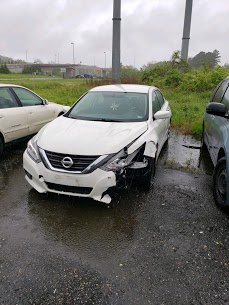
- Accident damage that has affected the wheel alignment or suspension
- Blowout that damaged the wheel rim
- Vehicle stuck in a ditch, median, or off-road terrain
- Any situation where you do not feel safe staying with the vehicle
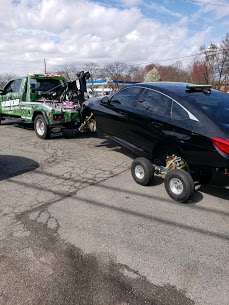
A professional wrecker team has the equipment to safely extract, stabilize, and transport your vehicle without causing additional damage — something a standard roadside kit simply cannot match.
Step 7 — While You Wait, Protect Yourself
If there’s a wait time before help arrives, do not just stand by the car scrolling your phone. Stay proactive.
Smart Things to Do While Waiting for a Tow
- Call someone you trust to let them know your location and situation.
- Do not accept help from strangers who pull over uninvited — unfortunately, highway breakdowns are a known setting for scams and theft. Wait for the verified tow truck you called.
- Stay hydrated if you have water in the car, especially in summer heat.
- Keep your doors locked if you remain inside the vehicle.
- Stay off the phone when the tow truck arrives so you can communicate clearly and confirm their identity matches the company you called.
After the Tow — What Happens Next?
Getting your vehicle to safety is only the beginning. Once the wrecker has your car secured, here’s what to expect.
Understanding the Towing and Drop-Off Process
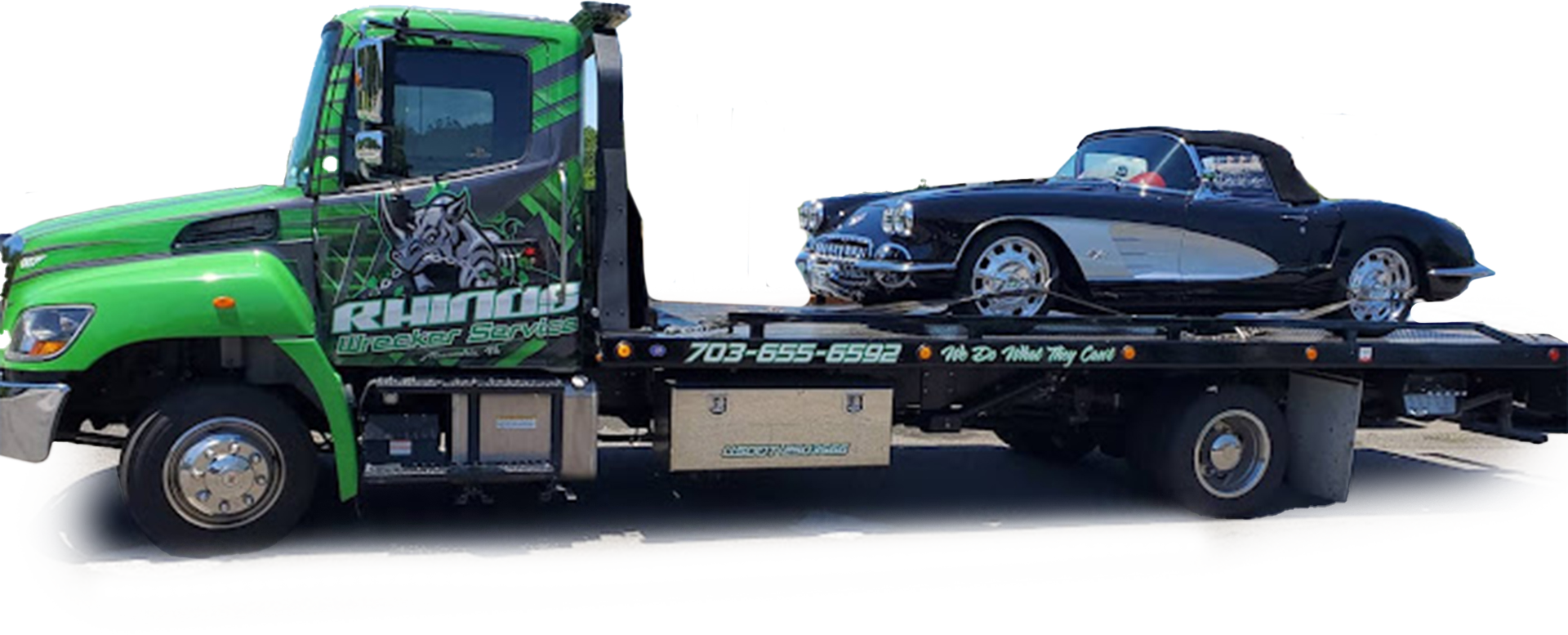
A flatbed wrecker is often the preferred option for highway recoveries because it keeps all four wheels off the ground, preventing additional strain on a damaged drivetrain. The driver will load your vehicle, secure it with chains or straps, and transport it to your preferred destination — whether that’s an auto shop, your home, or a secure lot.
If your vehicle is going to a shop for repairs, confirm that the shop will be open to receive it, or ask the towing company if they can hold it securely overnight.
Document Everything Before You Leave the Scene
Before the wrecker drives away, take photos of:
- Your vehicle’s position on the road
- Any visible damage before the tow
- The loaded vehicle on the flatbed
- The tow truck’s license plate and company name
This documentation is valuable if you need to file an insurance claim or dispute any damage that may occur during transport.
How Rhino’s Wrecker Service Handles Highway Breakdowns in DC, Maryland & Virginia
When you’re stranded on I-95, I-66, I-270, or any highway in the DMV region, Rhino’s Wrecker Service dispatches experienced drivers equipped with flatbed and heavy-duty wreckers to reach you fast — 24 hours a day, 7 days a week, 365 days a year.
Our team is trained to:
- Assess the scene safely before approaching your vehicle
- Use the right equipment for your specific vehicle type
- Minimize additional damage during loading and transport
- Communicate clearly so you always know what’s happening
Whether it’s a routine flat tire swap or a complex recovery from a highway median, we treat every call with the same urgency — because to us, your safety is the job. Call us the moment you’re stranded. We’ll handle everything else.