My Car Is Stuck in Mud or Snow—Who Do I Call and How Do I Get Out Safely?
Published on: July 09, 2026
Getting your car stuck in mud or snow is something that can happen to anyone. You don’t have to be driving off-road or through extreme weather for it to happen. A muddy shoulder after heavy rain, an icy parking lot, an unpaved driveway, or a snow-covered neighborhood street can leave your vehicle spinning its wheels without moving an inch.
The first reaction for many drivers is to keep pressing the accelerator, hoping the vehicle will eventually find traction. Unfortunately, that usually makes the situation worse. The tires dig deeper into the mud or snow, making recovery even more difficult.
If your vehicle is stuck, knowing what to do—and what not to do—can save you time, money, and unnecessary stress.
Stay Calm Before You Try Anything
The moment your vehicle loses traction, it’s important not to panic. Take a few moments to look around and understand why your car is stuck. Is it resting on deep mud? Has snow packed tightly around the tires? Is one wheel suspended in the air while the others are spinning?
Understanding the situation helps you make better decisions instead of reacting out of frustration.
If you’re on a busy road, your first priority should always be your safety. Turn on your hazard lights and make sure approaching drivers can clearly see your vehicle.
Why Spinning Your Tires Usually Makes Things Worse
One of the biggest mistakes drivers make is repeatedly pressing the gas pedal. Every time the tires spin, they remove more dirt or snow from underneath the tread.
Instead of climbing out, the vehicle sinks deeper.
In muddy conditions, spinning tires create deeper ruts that make recovery much harder. During winter, spinning tires polish the snow into ice, reducing traction even further.
The harder you accelerate, the more difficult the recovery often becomes.
Try Simple Recovery Methods First
If your vehicle isn’t deeply stuck, there are a few safe techniques you can try.
Gently turning the steering wheel from side to side while lightly pressing the accelerator may help the tires find better grip. Sometimes slowly shifting between drive and reverse can create enough movement to free the vehicle.
If you carry traction aids such as sand, gravel, cat litter, or traction mats, placing them beneath the drive wheels may provide enough grip to get moving again.
The key is patience. Gentle movements are much more effective than aggressive acceleration.
Know When It’s Time to Stop Trying
There comes a point where continuing to struggle only increases the risk of damage.
If your vehicle begins scraping underneath, if the tires continue spinning without movement, or if you’re stuck on an unsafe roadside, it’s time to stop trying.
Modern vehicles have expensive transmissions, suspension systems, and electronic components. Trying too hard to free a stuck vehicle can lead to repair bills that cost far more than calling a recovery professional.
Sometimes the smartest decision is simply asking for help.
Who Should You Call When Your Car Is Stuck?
When your vehicle cannot safely get out on its own, a professional winching service is usually the best solution.
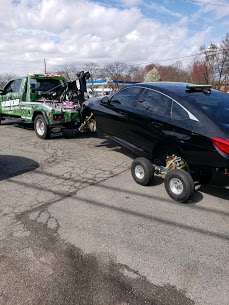
Unlike standard towing, winching is designed specifically for vehicle recovery. Using heavy-duty cables, recovery equipment, and specialized tow trucks, trained operators can safely pull your vehicle out of mud, snow, sand, ditches, or other difficult terrain.
Professional recovery teams know exactly where to attach recovery equipment without damaging your vehicle. They also understand how much pulling force is needed for different situations, reducing the risk of costly repairs.
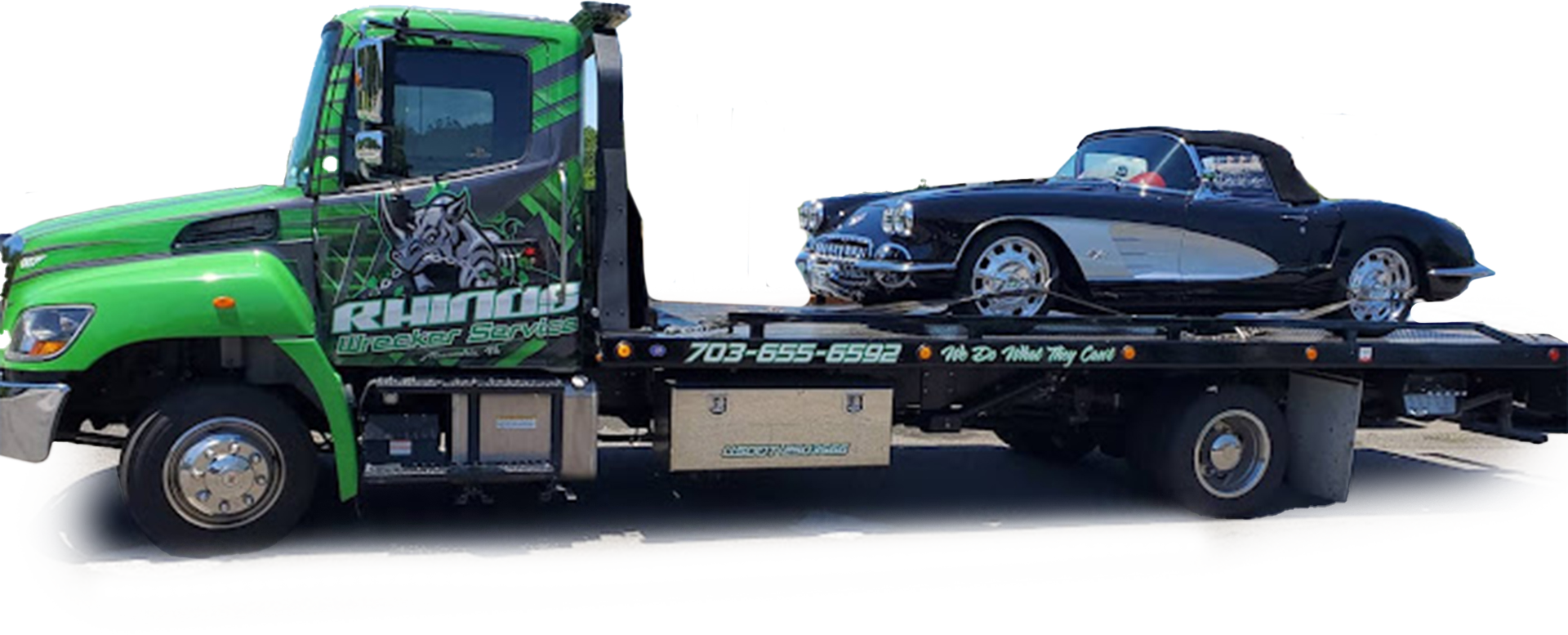
If you’re stranded in Virginia or Maryland, Rhino’s Wrecker Service provides fast emergency winching and vehicle recovery whenever you need it.
Why Professional Winching Is Safer Than DIY Recovery
Many drivers attempt to pull their vehicle out using another truck, a rope, or a chain.
While this might seem like a quick solution, it can be extremely dangerous.
Improper recovery equipment can snap under pressure, causing serious injuries or damaging both vehicles. Even experienced drivers can underestimate the amount of force required to recover a vehicle that’s deeply stuck.
Professional recovery operators use equipment specifically designed for these situations, making the vehicle extraction process much safer and far more efficient.
Prevent Getting Stuck Again
Although no driver can avoid every situation, a few simple habits can greatly reduce your chances of getting stuck.
Pay attention to weather forecasts before traveling, especially during heavy rain or snowstorms. Avoid driving onto soft shoulders, flooded areas, or unpaved roads after severe weather. Keeping your tires properly inflated and replacing worn tread also improves traction when road conditions become challenging.
A little preparation goes a long way toward avoiding unexpected recovery calls.
Don’t Wait Too Long to Ask for Help
Many drivers spend an hour trying to free their vehicle before calling for assistance.
By that point, the vehicle is often buried much deeper than when it first became stuck.
Calling for professional recovery sooner can reduce the risk of damage, shorten recovery time, and get you safely back on the road much faster.
Final Thoughts
Finding your car stuck in mud or snow is frustrating, but it doesn’t have to ruin your day. Staying calm, avoiding common mistakes, and knowing when to call a professional can make all the difference.
Instead of risking damage by spinning your tires or attempting unsafe recovery methods, trust experienced recovery specialists who have the right equipment for the job.
Whether your vehicle is stuck in deep mud after a storm, trapped in heavy snow, or stranded in a roadside ditch, professional winching services provide the safest and most reliable way to get moving again.
When every minute matters, having a trusted recovery company available 24/7 just a phone call away gives you peace of mind—no matter what the road or weather throws your way.