Why Does My Car Suddenly Lose Power While Driving? Common Causes and What You Should Do
Published on: March 16, 2026
Few things are more frightening than driving normally and suddenly feeling your car lose power. One moment the vehicle is responding perfectly, and the next it struggles to accelerate, slows down unexpectedly, or feels like the engine is about to stop. For many drivers, this situation happens without warning and can leave them confused about what just happened.
Understanding why a car suddenly loses power while driving can help you react calmly and prevent further damage to your vehicle. In many cases the issue is mechanical and requires professional attention, but knowing the possible causes can make the situation much less stressful.
Engine Problems Are Often the Main Reason
One of the most common reasons a vehicle loses power while driving is an issue with the engine itself. Modern engines rely on a precise balance of air, fuel, and ignition to operate smoothly. When something disrupts that balance, the engine may struggle to produce enough power.
For example, clogged fuel injectors or a failing fuel pump can limit the amount of fuel reaching the engine. When that happens, the car may feel weak or hesitant when you press the accelerator. Drivers sometimes describe the experience as if the car is “holding back” or refusing to pick up speed.
Another possible cause is a dirty air filter. Engines require a steady supply of clean air for proper combustion. If the filter becomes blocked with dust and debris, the engine may not get enough oxygen, which can reduce performance and cause power loss.
Transmission Trouble Can Also Cause Power Loss
Sometimes the issue is not the engine but the transmission. The transmission is responsible for transferring power from the engine to the wheels. If it starts slipping or fails to shift properly, the car may struggle to accelerate even though the engine is still running.
Drivers may notice unusual symptoms such as delayed gear changes, jerking movements, or a sudden drop in speed while pressing the gas pedal. When this happens, continuing to drive could cause serious damage, so it's usually safer to pull over and inspect the situation.
Fuel System Issues Can Stop the Engine from Performing
Fuel delivery plays a major role in how your car performs on the road. A weak fuel pump, clogged fuel filter, or contaminated gasoline can all cause the engine to lose power. These problems can make the vehicle feel sluggish and may even cause it to stall.
Sometimes the car may start normally but lose power after driving for a few minutes. This often points to fuel flow issues that worsen as the engine demands more energy.
Electrical Problems May Interrupt Engine Performance
Modern vehicles rely heavily on electronic systems. Sensors, wiring, and computer modules constantly communicate with the engine to control fuel delivery and ignition timing. If a sensor fails or wiring becomes damaged, the engine may enter what is known as "limp mode."
In limp mode, the car intentionally reduces power to protect itself from serious damage. While this helps prevent mechanical failure, it also makes the vehicle difficult to drive at normal speeds.
Blocked Exhaust Systems Can Reduce Engine Efficiency
Another less obvious cause of power loss is a blocked exhaust system. Components such as the catalytic converter can become clogged over time, especially if the vehicle has experienced engine problems in the past.
When exhaust gases cannot escape properly, pressure builds inside the engine and reduces its ability to produce power. Drivers may notice that the car struggles to accelerate or feels unusually heavy while driving.
What You Should Do If Your Car Loses Power
If your vehicle suddenly loses power while driving, the first priority is safety. Stay calm and gradually move your car to the side of the road or a safe location away from traffic. Turning on your hazard lights will alert other drivers that something is wrong.
Avoid pushing the vehicle too hard by continuing to accelerate aggressively. This can worsen the problem and potentially cause more expensive damage.
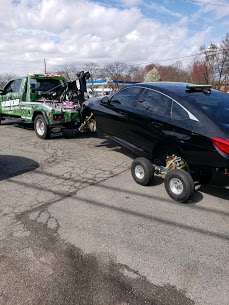
If the car cannot continue driving safely, it may be best to call a professional towing or roadside assistance service. A trained technician can transport the vehicle to a repair facility where mechanics can diagnose the issue properly.
Why It's Important Not to Ignore the Problem
Power loss is rarely something that fixes itself. In many cases the issue becomes worse over time if it is ignored. What might begin as a minor fuel system problem could eventually lead to engine failure or transmission damage.
Addressing the problem early not only protects your vehicle but can also save you a significant amount of money on repairs.
Final Thoughts
Experiencing sudden power loss while driving can be stressful, especially if it happens in traffic or on a highway. However, understanding the possible causes can help you stay calm and make smart decisions.
From engine issues and fuel system problems to transmission or electrical faults, several factors can cause a car to lose power unexpectedly. If the vehicle cannot operate safely, seeking professional assistance is the safest option.
Being prepared for unexpected situations on the road is part of responsible driving. Knowing when to stop, when to ask for help, and when to have your vehicle inspected can make all the difference in keeping both you and your car safe.